Professional Residential Electrician for Safe and Reliable Solutions
A skilled home electrician plays an critical role in maintaining the security and optimal performance of power systems in residences. These specialists are qualified to manage installations, repairs, and upgrades, guaranteeing adherence to security requirements and regional regulations. Typical problems, like flickering lights or defective wiring, often require expert attention. Comprehending the scope of their work raises significant considerations about security, dependability, and sustained condition of a home's electrical infrastructure. What should homeowners think about before hiring?
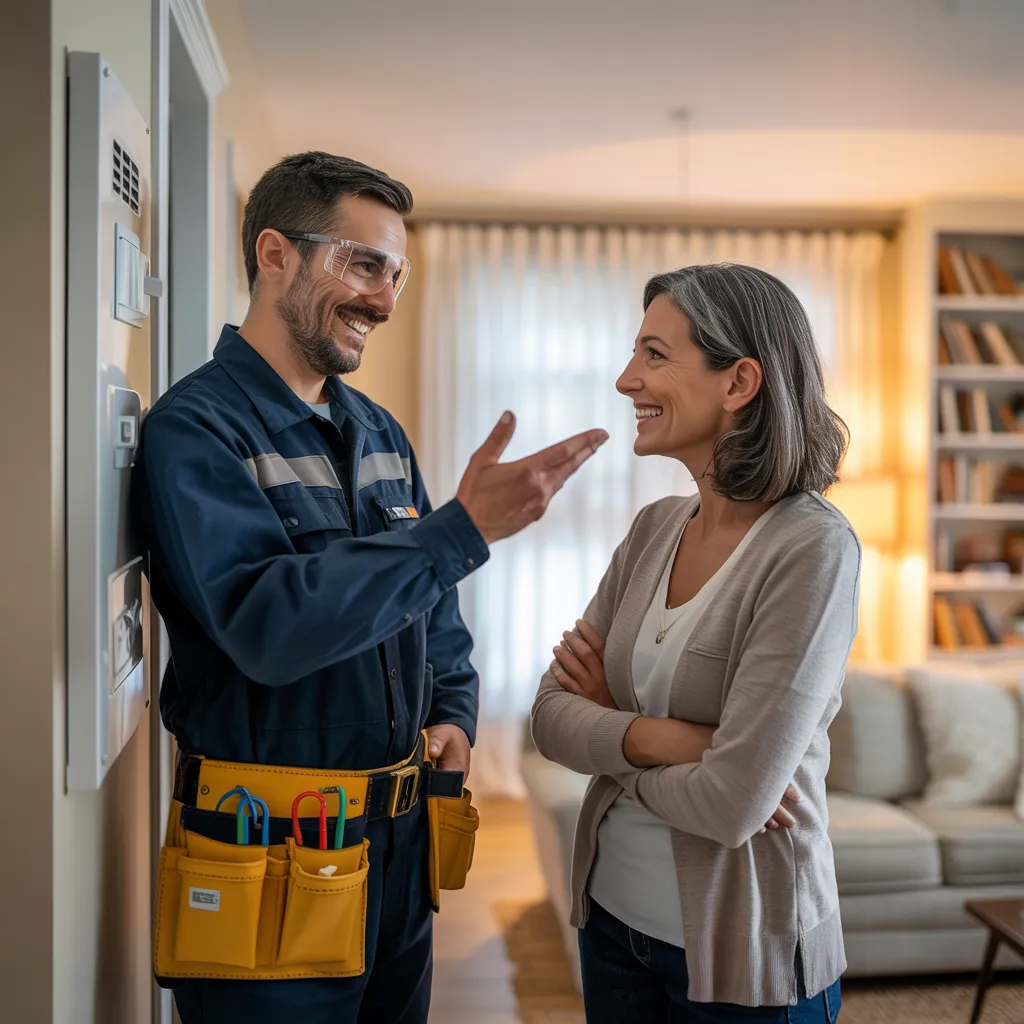
What Is a Residential Electrical Professional Truly Doing?
A residential electrician focuses on the installation, maintenance, and repair of electrical systems within homes. Their primary responsibilities include wiring, circuit installation, and the setup of lighting fixtures. They also troubleshoot electrical issues, guaranteeing that systems function efficiently and safely.
In addition to these tasks, residential electricians perform routine assessments to identify potential risks and verify compliance with relevant codes. They often upgrade existing systems to support new appliances or technology, thereby boosting a professional guide home's performance.
Moreover, they deliver valuable professional advice, helping homeowners discover power-saving options and innovative electrical designs. A residential electrician equally engages with other contractors during renovations or new constructions, confirming that electrical work aligns properly with other aspects of the project. By implementing technical equipment and observing industry standards, they sustain a crucial position in ensuring a sound and trustworthy electrical environment in residential settings.
Safety Protocols in Electrical Work: Essential Facts for Homeowners
How can property owners ensure their power infrastructure remain safe and compliant? Understanding safety requirements is vital. Electrical codes, such as the National Electrical Code (NEC), function as a guideline for secure installations and procedures. Homeowners should ascertain their installations comply with these requirements to reduce dangers of electrical fires and electrical shock.
Routine checks by a licensed electrician can help detect potential hazards. Electricians are trained to adhere to local codes and establish safety protocols. Homeowners should also be aware of proper load capacities to avoid overload, which can cause overheating.
Furthermore, employing certified products and materials is fundamental for preserving security. Homeowners must emphasize the installation of GFCI outlets in damp locations and verify smoke detectors are functional. By remaining knowledgeable and engaged about electrical safety standards, homeowners can substantially minimize risks and guarantee a safe living environment.
Frequent Electrical Complications and How Specialists Handle Them
Homeowners frequently encounter multiple electrical issues that can threaten safe operation and performance. Typical issues include flickering lights, circuit breaker trips, and non-functioning outlets. These problems can result from outdated wiring, circuits carrying too much load, or faulty appliances.
Another frequent concern is electrical surges, which can damage equipment and gadgets. GFCIs (GFCIs) may also fail, creating dangers in damp spaces like kitchens and bathrooms.
Professionals identify these problems by performing comprehensive examinations, verifying wiring condition, and evaluating the demand on circuits. They employ advanced equipment to identify hidden problems and ensure compliance with safety standards.
How to Resolve Frequent Electrical Issues With Expert Assistance
Electrical problems frequently require professional electrician expertise to address. Flickering lights, frequent circuit breaker tripping, and outlet malfunctions are common problems that can indicate underlying electrical faults. A certified electrician guarantees these issues are diagnosed accurately and resolved safely.
Flickering Lights Solutions with immediate solutions
Flickering fixtures can affect the ambiance of any home, signaling potential electrical issues that call for immediate attention. This usual problem often highlights loose connections, faulty switches, or inadequate wattage. Homeowners should first check if the flickering takes place with individual bulbs or throughout the entire house. If it is isolated, replacing bulb may solve the issue. However, persistent flickering demands consultation with a professional residential electrician, who can accurately diagnose and rectify underlying problems. A qualified electrician will inspect wiring, assess circuit loads, and guarantee all connections are secure. Addressing flickering lights promptly not only regains peace but also improves safety, preventing potential hazards like electrical fires. Professional intervention provides peace of mind and long-term solutions.
Causes for Circuit Breaker Tripping
Understanding these problems is critical; engaging a qualified home electrical specialist to diagnose and resolve these problems ensures safety and efficiency in the home's electrical system.
Outlet Dysfunction Diagnosis
Understanding the possible problems associated with circuit breakers logically leads to the necessity of troubleshooting outlet malfunctions. Outlet issues can appear as flickering lights, non-functional devices, or strange sounds from the outlet itself. These symptoms often signal underlying electrical issues that require professional evaluation. A qualified electrician will begin by inspecting the circuit for overloads, loose connections, or damaged wiring. They may also test for proper grounding and voltage levels to ensure safety. Addressing these malfunctions promptly is crucial, as neglect can lead to more severe hazards, including electrical fires. By relying on a professional, homeowners can make certain that their electrical systems operate efficiently and safely, protecting both their property and their peace of mind.
Why Bring on an Skilled Professional for Electrical Updates?
Upgrading electrical systems can significantly improve a home's safety and efficiency, making expert assistance vital. Homeowners often miscalculate the complexities involved in electrical upgrades, which can lead to costly mistakes or hazardous situations. Professional electricians possess the required skills and background to understand local codes and regulations, ensuring that upgrades are secure and regulation-compliant.
Additionally, experts can assess a home's specific electrical needs, recommending customized approaches that improve performance and energy efficiency. They are furnished with the proper equipment and expertise to handle possible issues, such as aging electrical lines or inadequate power distribution. This knowledge not only reduces hazards but also strengthens the durability and dependability of the power infrastructure.
Ultimately, engaging a skilled electrical professional for improvements not only safeguards a home but also provides peace of mind, knowing that the work is done properly and effectively, thereby maximizing the expenditure in the property.
What to Expect During Your Electrical Inspection?
During an power system check, property owners should look for a thorough evaluation based on a common checklist that points out key components of their electrical network. Evaluators will review compliance with safety standards to guarantee the power system is safe and functional. Grasping these requirements enables property owners prepare for a positive inspection experience.
Routine Review Checklist Items
A thorough electrical inspection typically requires various key inspection elements that guarantee well-being and compliance with regulations. Inspectors regularly start out by examining the service panel for suitable ground connections and secure contacts. They inspect wiring for any marks of wear, damage, or improper arrangement. Protection devices and safety fuses are examined to verify they are functioning correctly and adequately suitable for the load. In addition, outlets and switches are checked to assure they are grounded and free from problems. Fire detection devices and carbon monoxide detectors are also tested for adequate function. Finally, the evaluator surveys any modifications or supplements to the electrical system to verify they stick to area codes and standards, making certain the overall safety of the the building's electrical framework.
Safety Standards Compliance Summary
After comprehensive inspection checklist, understanding safety standards compliance is vital for property owners. Adherence to safety standards for electrical work ensures that electrical installations meet both national and regional codes, reducing dangers from electrical dangers. Homeowners can expect the electrical professional to verify correct grounding, circuit functionality, and the application of certified materials. Moreover, adherence to the National Electrical Code (NEC) is vital, as it outlines the basic safety requirements for electrical installations. During inspections, electricians will evaluate the operation of smoke detectors and carbon monoxide alarms, confirming they operate correctly. By prioritizing safety standards, homeowners not only safeguard their property but also safeguard the health of their families. Ultimately, adherence builds trust in electrical work and encourages sustained safety.
How to Find the Perfect Electrical Contractor for Your Home
Determining the best electrician for your property can feel complicated—what points should one consider? First, checking qualifications is critical. A certified electrical technician demonstrates that they have satisfied the required training and standards. Homeowners should also verify insurance, as this protects against potential hazards during the service.
Experience constitutes another fundamental factor; professionals with a solid track record are often more practiced at handling various issues. Studying critiques and obtaining accolades can yield understanding into their trustworthiness and quality of work.
Moreover, gathering multiple quotes helps homeowners weigh costs and options, verifying they receive a fair deal. Verbal skills are comparably important; an electrician ought to articulate difficulties and answers clearly.
Finally, determining their knowledge with local codes and codes can prevent future issues. By thoughtfully weighing these factors, homeowners can reach a well-reasoned decision, ultimately ensuring safety and effectiveness in their electrical work.
Frequently Asked Queries
How Much Will You Spend to Hire a Residential Electrician?
Hiring a residential electrician generally runs somewhere between $50 to $100 per hour, contingent on your area and how complex the job is. Supplementary charges may be imposed for equipment and urgent work, changing your total bill.
What Timeframe Should You anticipate for an Electrical Project?
An electrical work generally requires a few hours to several days, depending on its complexity and scope. Simple repairs may require minimal time, while larger installations or renovations can prolong the duration significantly.
What Credentials Should I Consider in an Electrical Specialist?
When selecting an electrician, one should rank qualifications such as proper licensing, insurance, relevant experience, and outstanding customer feedback. Additionally, certifications in targeted sectors can reinforce their credibility and guarantee quality workmanship.
Are Emergency Electrical Solutions Offered?
Emergency electrical support is certainly obtainable. Many electrical technicians offer 24/7 assistance for critical concerns, providing quick response times and remedies to reestablish safety and operation. Homeowners should verify availability and response times before crises develop.
Am I Permitted to Do Electrical Projects on My Own According to Law?
In many jurisdictions, folks can lawfully manage electrical work on their own properties, but regulations shift. It's critical to investigate local codes and safety standards to confirm compliance and evade potential hazards or fines.